

How Often Should You Schedule a Heating Tune-Up in State College Homes?
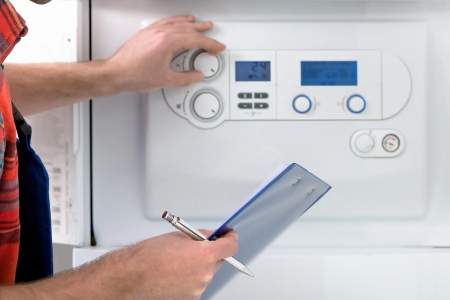
Pennsylvania winters work your furnace hard, so most State College homeowners should plan a professional heating tune-up once a year. Booking service in early fall keeps your system efficient, reduces surprise breakdowns, and helps your home stay comfortable when snow and wind roll through Park Forest, Boalsburg, Lemont, and College Heights.
If you’re unsure where to start, use this guide to pick the right schedule, watch for signs you need service sooner, and understand what a technician from The Best HVAC does during a visit.
Why Annual Heating Tune-Ups Matter in State College, PA
Winter in Centre County brings long stretches of freezing nights, and even a healthy furnace can drift out of peak performance after months of heavy use. Annual maintenance brings the system back into spec so it heats evenly and safely when you need it most.
Here’s what an annual visit tends to deliver:
- Better efficiency that helps keep energy use in check during long cold snaps
- Smoother, quieter operation with fewer mid-season disruptions
- Safety checks that reduce the risk of issues with burners or venting
- Documentation of professional service that many manufacturers recommend for warranty protection
Annual service protects warranties and gives you a clear baseline for performance before temperatures really drop.
The Ideal Heating Maintenance Schedule for Pennsylvania Winters
For typical gas furnaces in State College, the best plan is one professional tune-up every 12 months, scheduled between late August and October. That timing lets a technician catch worn parts, adjust combustion, and confirm airflow before the first deep freeze hits the Nittany Valley.
If you use a heat pump for both heating and cooling, consider splitting service into two seasonal visits. One in spring pairs nicely with cooling prep, and one in fall gets you ready for winter. You can learn more about system-wide options on our heating services page.
When life gets busy, pick one consistent month each year and set a reminder. Schedule before the first hard freeze so you’re not competing for appointments after the first cold snap lands.
When “Annual” Isn’t Enough: Signs You Need Service Sooner
Some homes and systems benefit from a semiannual plan, especially in and around State College, where older housing, student rentals, and rural properties are common. Watch for these signs that you should move from annual to twice-yearly visits:
- Your system is 12–15 years old or shows frequent cycling on and off
- You notice uneven temperatures between floors or rooms
- There are hot or burnt smells at start-up that don’t fade quickly
- Energy bills rise compared to similar weather last year
- You own a rental near campus with high turnover and heavier wear
Semiannual care for heavy-use systems helps catch small issues early so they don’t turn into mid-winter breakdowns when parts are in high demand.
What a Professional Heating Tune-Up Includes
Every system and home is different, but a pro tune-up focuses on safety, performance, and reliability. During a visit, your technician typically completes tasks such as:
Inspection and testing
They check ignition and safety controls, confirm proper venting, and test temperature rise. If readings fall outside manufacturer guidelines, the tech identifies why and corrects the root cause.
Cleaning and adjustments
Expect cleaning of burners and flame sensors, tightening of electrical connections, and verification of blower performance. Proper airflow keeps rooms comfortable, especially in larger homes in Toftrees or Houserville.
System documentation
After testing, you’ll receive clear notes on current performance, recommended fixes, and timelines to plan for future upgrades. That record makes next year’s service faster and more focused.
Local Factors That Affect Your Maintenance Schedule
State College homes vary a lot, from historic bungalows near Holmes-Foster to newer builds around Toftrees. Those differences shape how often you should schedule service:
Home age and insulation
Older houses may have more air leakage, which makes your furnace work harder. Extra heating strain can justify moving to a fall-and-late-winter checkup cadence.
Household size and habits
More people usually means more door openings, more pet dander, and faster filter loading. Heavier use can push systems out of tune sooner.
Type of equipment
Gas furnaces typically do well with annual service. Heat pumps that run year-round benefit from spring and fall visits. Ductless equipment serving additions or apartments may need a professional once a year, especially if heads run continuously in study spaces.
How To Time Your Appointment for the Best Results
Pick a month that sticks. Many homeowners choose September, just after Labor Day and before football weekends make schedules tight. If you’re already deep into the heating season, don’t wait for next fall. A tune-up now still reduces wear and can prevent late-season shutdowns.
Pair your heating visit with cooling prep. Scheduling your spring appointment for your cooling system helps keep the whole HVAC setup running smoothly. If you want to coordinate, look at our air conditioning services to see what’s included on the cooling side.
Annual vs. Semiannual: Simple Rules Of Thumb
Use these quick guidelines to decide what’s right for your home:
- Annual: Newer gas furnace, steady energy bills, and even room temperatures
- Semiannual: Heat pump used for both heating and cooling, older equipment, or frequent comfort complaints
- Immediate visit: Unusual noises, short cycling, persistent odors, or repeated thermostat resets
If you’re on the fence, book a single heating tune-up appointment now. The technician’s measurements will show whether your system needs extra attention this year.
What You’ll Notice After a Proper Tune-Up
Most homeowners feel the difference within days. Heat feels steady, air movement is balanced, and the system starts up cleanly without sputtering or banging. In many cases, you’ll also notice shorter run times to reach your set temperature, especially during evening warm-ups after work or class.
These comfort wins matter in State College, where late-night study sessions and early morning practices are common. When your home warms up predictably, the whole day runs smoothly.
Common Myths About Heating Maintenance
Myth: “New systems don’t need service.” Reality: Factory-fresh equipment still gathers dust, and vibration causes small shifts that should be checked. Year one sets the tone for years two through ten.
Myth: “If it heats, it’s fine.” Reality: A system can heat and still be out of spec. Small issues like a weak flame sensor or loose wire can trigger a mid-winter shutdown at the worst time.
Myth: “I’ll just wait until spring.” Reality: Call at the first sign of trouble. Cold weather multiplies stress on parts, so addressing concerns mid-season protects the rest of the system.
How This Fits With Your Whole-Home Comfort Plan
Heating touches everything in your home. Sealed ducts, good airflow, and clean equipment make rooms feel even and quiet. When you’re ready to look at the big picture, start by browsing our core heating services and coordinate your spring visit through our air conditioning team so you keep a consistent rhythm year after year.
For homeowners planning renovations or adding comfort to a garage or attic office, ductless heads can be a smart add-on. A yearly check keeps those mini-splits efficient alongside your central system, and your technician can include them in the same visit for convenience.
Your Next Step
If it’s been more than a year since your last professional service, you’re due. To protect comfort through the heart of winter, you can schedule a variety of services with our State College HVAC company today, or call 814-933-8672 to find a time that fits your week.
Want a quick refresher later? Save our homepage and use this link that includes your primary search phrase: heating tune-up in State College, PA. When it’s time, you’ll already be one click away from the team that knows your system and your neighborhood.
Stay proactive, pick a month, and stick with it. Your future self will thank you when the first cold front hits and your furnace fires up without a hitch.